



History of Football Rivalries: Classic Derbies Explained
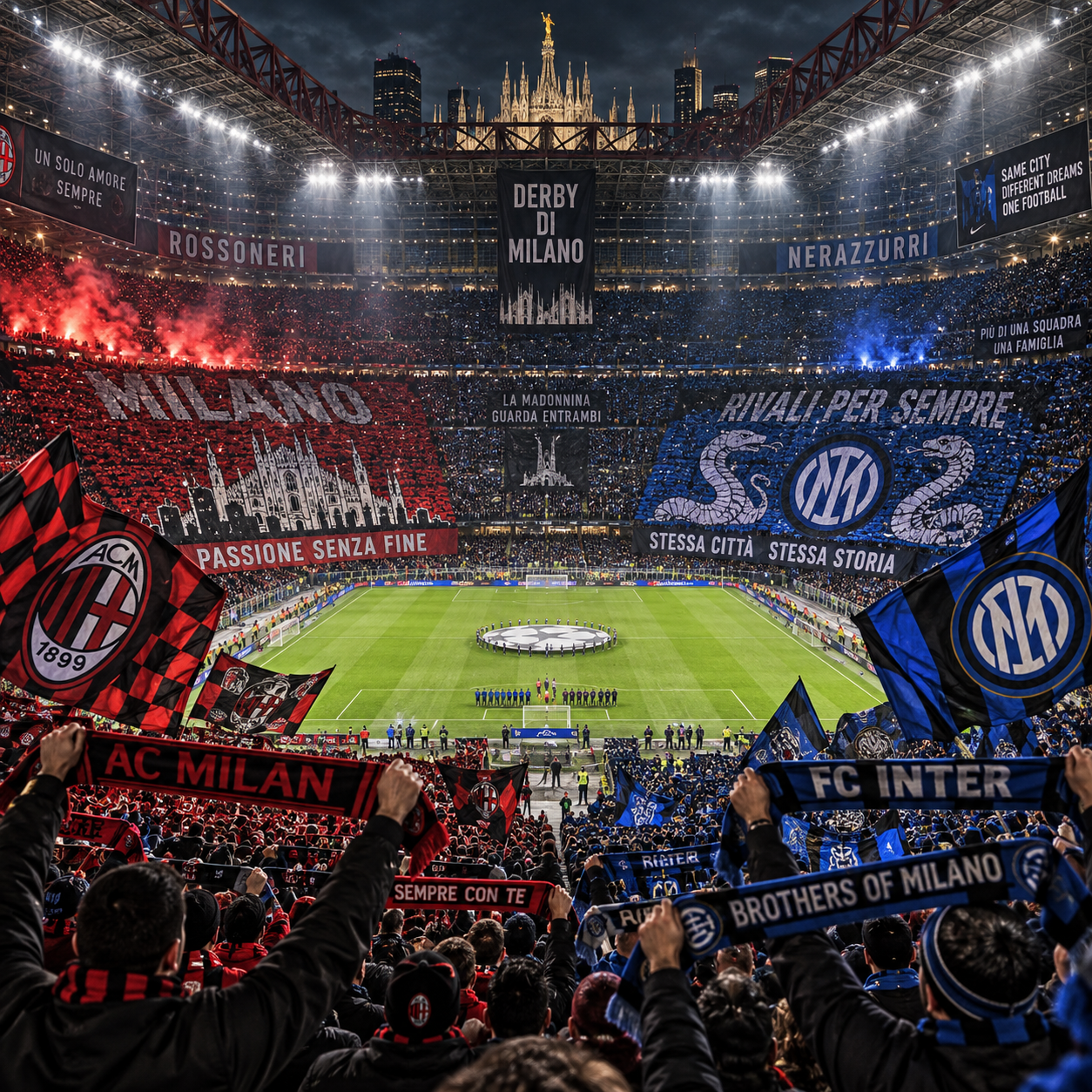
Football rivalries turn ordinary fixtures into cultural events. A derby can represent a neighborhood, a city, a region, a political history, or decades of competition between clubs with sharply different identities. The result is a match that carries meaning well beyond the league table.
From El Clásico in Spain to Argentina’s Superclásico, classic derbies connect sporting history with supporter culture. Understanding that background makes modern match previews, football news, and live coverage far more meaningful.
What Makes a Football Rivalry a Classic Derby?
A football derby is a match between nearby clubs, while a classic rivalry becomes historically significant through repeated competition, contrasting identities, and memorable moments. Geography often starts the relationship, but sporting and cultural meaning sustains it.
A local rivalry may involve clubs from the same city, district, or region. The short distance encourages regular meetings and overlapping communities. Supporters may work together, attend the same schools, or share public spaces during the week, then divide sharply on matchday.
Several forces usually define a major derby:
- Geography: Nearby stadiums make the contest personal and recurring.
- Club identity: Differences in class, religion, region, politics, ownership, or playing tradition can shape how fans see their club.
- Competition: Title races, cup finals, promotion battles, and European qualification raise the stakes.
- Supporters and fan culture: Chants, banners, colors, rituals, and away-day traditions give the fixture a distinctive atmosphere.
- Historical memory: Iconic goals, controversial decisions, famous managers, and painful defeats remain part of the rivalry’s shared story.
Not every derby is equally hostile, and not every rivalry is based on geography. Some clubs develop powerful competitive relationships despite being far apart. The defining feature is accumulated meaning: each new fixture adds another chapter.
How Football Rivalries Begin and Develop
Football rivalries usually begin through local proximity, competing institutions, social divisions, or repeated battles for dominance. They grow when those origins become attached to important matches and passed from one generation of supporters to the next.
Many rivalries started in the early development of organized football, when clubs represented particular workplaces, neighborhoods, religious communities, universities, or industrial towns. A match between nearby teams was easy to arrange, and regular encounters created familiarity before competitive tension appeared.
Social identity can deepen that tension. In some places, supporters associated one club with a specific religious or national tradition, while another club reflected a different community. These histories require careful treatment because identities change over time, and supporters rarely fit into simple categories. The football rivalry may preserve memories of a divided past without representing every modern fan.
Sporting success is another powerful accelerant. When two clubs repeatedly compete for championships, transfers, or regional supremacy, every meeting becomes a test of status. A single decisive match can change the emotional balance for years.
A rivalry’s five-stage life cycle
- Proximity: Clubs share a city, region, or meaningful connection.
- Contrast: Supporters identify differences in values, history, or social base.
- Repetition: The teams meet frequently in important competitions.
- Memory: Defining matches and personalities create a shared archive.
- Inheritance: Families pass the rivalry to younger supporters through stories and rituals.
This explains why a derby can remain intense even during an uneven sporting period. The fixture has an identity of its own, separate from current league position.
El Clásico: Barcelona vs Real Madrid
El Clásico is the rivalry between FC Barcelona and Real Madrid, shaped by elite competition, regional identity, institutional symbolism, and a global audience. Its importance comes from the way sporting excellence and Spanish history became intertwined.
Barcelona has long been associated with Catalan cultural identity and the idea of representing a distinct regional tradition. Real Madrid, based in the Spanish capital, developed an identity connected with national prominence and institutional power. Those associations were especially sensitive during the twentieth century, although modern supporters hold a wide range of views and should not be reduced to historical stereotypes.
On the pitch, the rivalry gained extraordinary force because both clubs regularly competed for La Liga, the Copa del Rey, and European honors. The arrival of elite players and managers turned individual meetings into global television events. The contrasting football philosophies of different eras also gave the contest tactical depth.
Johan Cruyff, Alfredo Di Stéfano, Lionel Messi, Cristiano Ronaldo, Pep Guardiola, and José Mourinho are among the figures who helped define its modern mythology. Their presence transformed certain matches into debates about technique, coaching, recruitment, and the direction of Spanish football.
El Clásico also shows how modern football can globalize a local rivalry. Supporters around the world follow the fixture, yet the strongest emotional connection remains rooted in Barcelona and Madrid. The global audience expands the event without replacing its original historical context.
British Football’s Historic Derbies
British football derbies are built on dense local geography, industrial and community history, supporter traditions, and long-running competition. The North West Derby and the Old Firm illustrate two very different ways that local rivalry can become nationally and internationally significant.
The North West Derby
The North West Derby between Liverpool and Manchester United is one of English football’s most prominent rivalries. The clubs come from cities with strong industrial histories and competing claims to sporting and regional influence.
The rivalry is not a traditional same-city derby, but the relatively close distance and enormous success of both clubs have made it a defining contest in English football. League titles, European achievements, legendary managers, and the movement of players between clubs have all added layers of competition.
Bill Shankly and Sir Matt Busby represent earlier eras of institutional building, while later periods under managers such as Alex Ferguson and Jürgen Klopp renewed the struggle for national dominance. For supporters, the match carries both local pride and the pressure of comparing two historic football institutions.
The Old Firm
The Old Firm refers to the rivalry between Celtic and Rangers in Glasgow. It combines sporting competition with complex religious, cultural, and national histories, making context essential when discussing its supporter culture.
Both clubs have enjoyed long periods of domestic success, so the fixture often affects title races, cup competitions, and the broader balance of Scottish football. Matchday rituals, songs, colors, and family loyalties give the contest an intensity that extends beyond ninety minutes.
Other British rivalries, including Arsenal–Tottenham, Manchester City–Manchester United, and Everton–Liverpool, show how neighborhood boundaries and changing power structures can create distinct forms of derby identity. No two contests carry exactly the same history.
Famous European and South American Rivalries
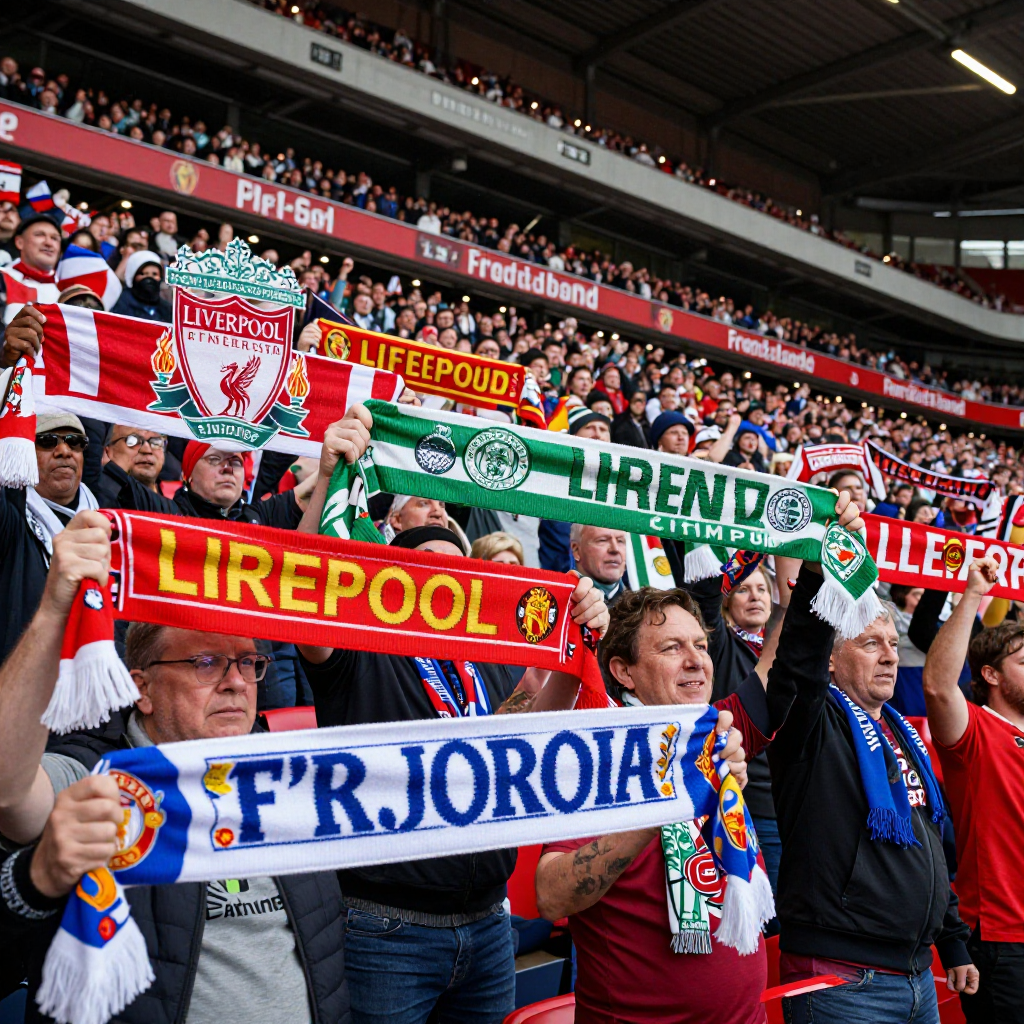
European and South American rivalries often turn city identity into football theatre. The Derby della Madonnina and Superclásico demonstrate how stadium location, migration, class, club history, and national football culture can shape a derby.
Derby della Madonnina
The Derby della Madonnina is the Milan derby between AC Milan and Inter Milan. Both clubs play at San Siro, creating a rare situation in which the same stadium becomes home territory for two historic rivals.
The clubs developed different institutional histories and supporter identities, while their shared city supplied the daily proximity that makes a local rivalry vivid. Italian league titles, European Cups, famous defenders, creative midfielders, and tactical innovations have given the fixture a rich sporting archive.
Because the teams share a stadium, the derby also reveals how football geography can work in two directions. The clubs are physically close, yet their identities remain clearly separated through colors, traditions, and family allegiance.
Superclásico
The Superclásico between Boca Juniors and River Plate is Argentina’s most famous club rivalry. Both clubs originated in Buenos Aires, and their early connection to the La Boca area developed into a broader contest over status, supporters, style, and national prominence.
Boca is closely associated with the passionate atmosphere of La Bombonera and a working-class image, while River developed a reputation linked with different social associations and a more expansive institutional profile. These descriptions are part of football folklore rather than complete summaries of modern fan bases.
The rivalry’s drama comes from its setting, noise, visual identity, and capacity to dominate Argentine football conversation. It has also become a major international attraction, although its greatest meaning remains with supporters who inherit the fixture through family and neighborhood culture.
The Role of Players, Managers, and Defining Matches
Players, managers, and defining matches deepen a rivalry by giving supporters recognizable heroes, villains, arguments, and turning points. A derby’s history becomes easier to remember when it is attached to a decisive goal, controversial incident, or legendary personality.
Transfers can intensify the emotional stakes. When a celebrated player moves directly between rival clubs, supporters may view the decision as a betrayal, especially if the player scores in a later derby. Managers can have a similar effect when their tactical choices repeatedly frustrate the opposing side.
Title-deciding matches carry particular weight. A late winner can become part of a club’s identity, while a disputed red card may be discussed for decades. These moments matter because supporters do not remember only the score; they remember what the result appeared to say about their club’s character.
Rivalry history can be studied through four questions:
- Who gained sporting power during the period?
- Which players became symbols of loyalty or betrayal?
- Did the match change a title race or tournament?
- How did supporters reinterpret the event afterward?
This approach avoids reducing football history to a list of famous incidents. It connects the event to the larger development of club identity and competitive power.
Why Classic Derbies Still Matter Today
Classic derbies still matter because they connect historical identity with modern competition, supporter engagement, football news, and live viewing. Even when league positions differ, the fixture can command attention because its meaning is inherited rather than created from scratch each season.
Modern coverage has expanded the audience. Match previews explain tactical patterns and team news, while historical features provide context about stadiums, supporters, managers, and previous meetings. Reliable football news also helps fans separate meaningful developments from exaggerated pre-match narratives.
Fans following a derby should use a simple context-first viewing plan:
- Check the competition and current table situation.
- Read a reputable match preview for injuries, suspensions, and likely tactics.
- Review the rivalry’s recent history without treating it as a prediction.
- Watch through an official broadcaster, club platform, or legitimate licensed stream available in your region.
- Use post-match reporting to understand consequences, rather than focusing only on the final score.
Historic rivalry can improve a broadcast, but it can also create distortion. Commentators may overstate old narratives, and social media can turn isolated incidents into permanent controversy. The strongest coverage balances atmosphere with evidence.
Classic derbies remain relevant because football is both a sport and a form of shared memory. A supporter watching El Clásico, the North West Derby, the Old Firm, Derby della Madonnina, or the Superclásico is seeing a current match while also entering a much older conversation.
Frequently Asked Questions About Football Rivalries
What is the difference between a derby and a football rivalry?
A derby usually refers to a match between clubs from the same city or nearby area. A football rivalry is broader and can involve clubs from different regions whose repeated competition creates lasting tension and significance.
Which football derby is the oldest?
There is no single universally accepted answer because records depend on definitions, surviving documentation, and whether a derby means the first match between nearby clubs or the oldest continuously contested fixture. Claims should be checked against club archives and competition records.
Why are derby matches often more intense than regular fixtures?
Derbies combine sporting pressure with local identity, family loyalties, supporter rituals, and historical memory. Players understand that the result will be discussed in workplaces, homes, and communities long after the final whistle.
Which rivalries have had the greatest influence on football culture?
El Clásico, the North West Derby, the Old Firm, Derby della Madonnina, and the Superclásico have all influenced football culture in different ways. Their global reach, supporter traditions, sporting history, and links to regional or city identity make them especially prominent.
How can fans follow classic derbies through football news and streams?
Fans can follow fixture announcements, team news, historical previews, and post-match analysis through reputable football publications and official club or competition channels. For live viewing, use licensed broadcasters and legitimate streams rather than unofficial services that may be unsafe, unstable, or unlawful.