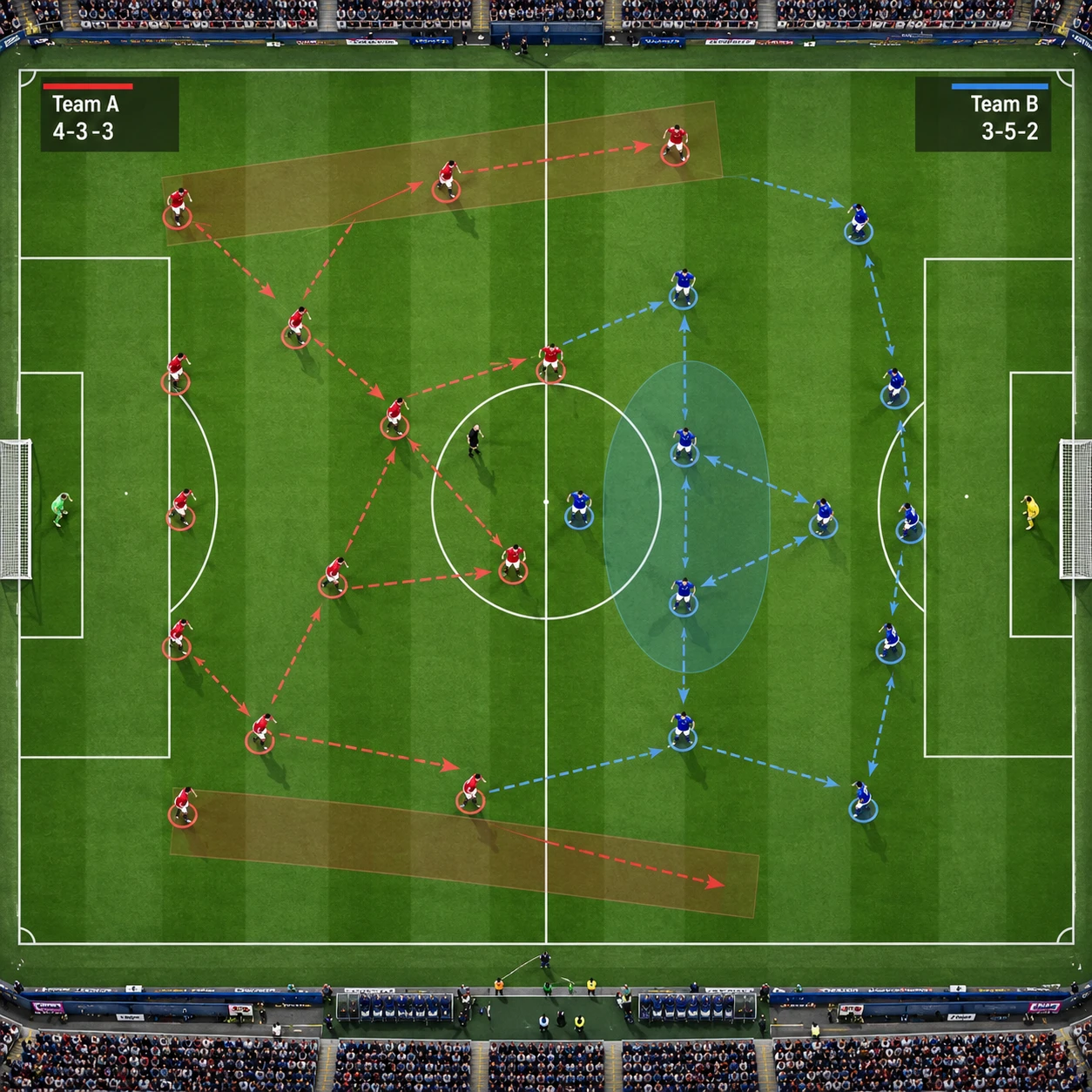



Emerging Young Talents to Watch This Season

A breakthrough season can begin with a substitute appearance, a tactical adjustment, or a run of dependable performances when a senior player is unavailable. For emerging young footballers, the key question is not simply how much potential they have; it is whether they are earning meaningful first-team minutes and influencing club football now.
This guide highlights young prospects to follow across attacking, midfield, and defensive roles, with attention to their positions, playing styles, and opportunities. Roles can change quickly over a season, so treat these profiles as starting points for watching development, not predictions of guaranteed success.
What Makes a Young Player One to Watch?
A young player is one to watch when ability is beginning to translate into first-team opportunities, consistent decisions, and a clear tactical contribution. Youth alone is not enough; the strongest sign is a coach trusting a player with a specific job in competitive club football.
Useful indicators include first-team minutes, repeated involvement in matchday squads, and performances against varied opponents. A forward might press effectively even when chances are scarce. A midfielder may receive the ball under pressure and help the team progress. A defender can stand out through positioning and communication rather than spectacular tackles.
Consider prospects through a simple three-part lens:
- Opportunity: Is the player appearing in league competition, cup matches, or substitute roles? Minutes matter, but so does the level of responsibility.
- Repeatability: Does the player show useful habits across several appearances, rather than relying on one eye-catching moment?
- Tactical impact: Can you identify how the player helps the team’s plan, such as stretching a defence, supporting build-up, or initiating a press?
Youth development is rarely a straight line. A promising player may move between the academy, reserve side, and senior squad as coaches manage workload and competition for places. A quiet spell does not automatically mean a prospect has stalled; context matters, including injuries, team needs, and the player’s role.
Forwards Who Could Make Their Mark
Young forwards earn attention when their movement, work rate, and decision-making create repeatable danger, even before they become regular scorers. Watch how they combine with senior teammates and whether their playing style fits the team’s attacking system.
Two widely followed examples are Lamine Yamal of Barcelona and Endrick of Real Madrid. Yamal is an attacking wide player whose close control, one-on-one ability, and willingness to create from the flank make his choices in the final third worth tracking. Watch whether he holds width, cuts inside, or draws defenders before releasing a teammate. His challenge is balancing creative ambition with the demands of a long senior campaign.
Endrick is a young forward whose profile is built around direct movement, quick attacking actions, and a willingness to threaten the space behind a defence. His route to minutes depends on team selection and competition for attacking roles. When he appears, notice where he starts his runs and how he links with nearby players, not only whether a shot ends in a goal.
Across any league, promising attackers may be wingers, centre-forwards, or second strikers. Check whether a player’s contribution survives when opponents deny space. A winger who can pass, press, and track back may earn trust sooner than one who offers only isolated dribbling. A centre-forward’s hold-up play can be just as telling as their finishing.
Midfielders Bringing Fresh Energy
Young midfielders stand out when they help a team control transitions, move the ball through pressure, or create chances while meeting their defensive responsibilities. Their influence often appears in the rhythm of a match rather than in a single highlight.
Warren Zaïre-Emery of Paris Saint-Germain is a central midfielder to follow for his ability to cover ground, compete in duels, and contribute across phases. Pay attention to whether he receives on the turn, supports the ball carrier, and recovers quickly when possession changes. For a developing midfielder, combining forward intent with positional discipline is a demanding test.
Kobbie Mainoo of Manchester United offers another useful case study in midfield development. His calmness in possession and ability to carry the ball into space can help connect defence and attack. The details to watch are his choices under a press: when he turns, when he plays a simple pass, and how he responds after a turnover.
For midfield prospects generally, track three moments during a match: the first pass after winning possession, the movement that gives a teammate an outlet, and the reaction when the team loses the ball. These habits reveal whether a player can influence build-up and pressing consistently. A young creator may need time to improve defensive positioning; a ball-winner may still be developing the range to dictate play.
Defenders and Goalkeepers on the Rise
Young defenders and goalkeepers become compelling prospects when they show reliable decisions under pressure and communicate well within the team’s defensive structure. Their progress is best judged over a sequence of matches, because one mistake or save rarely tells the full story.
Pau Cubarsí of Barcelona is a young centre-back whose distribution and composure in possession make his build-up choices worth observing. Look at how he scans before receiving, finds passes through the lines, and adjusts when opponents press aggressively. Centre-backs also face a less visible test: maintaining concentration when their team spends long periods attacking.
Jorrel Hato of Ajax is a defender to follow for his versatility and comfort working in possession. Depending on the team’s setup, a young defender may be asked to cover more than one position. That flexibility can open a pathway to first-team minutes, although it also requires learning different defensive distances and responsibilities.
For goalkeepers, Guillaume Restes of Toulouse is a young name to watch. Assess his positioning, handling, communication, and decisions when leaving the goal, not just highlight saves. Goalkeeper development can be uneven because errors are highly visible and opportunities depend on selection. One substitute appearance may tell little; a sustained run gives a clearer picture.
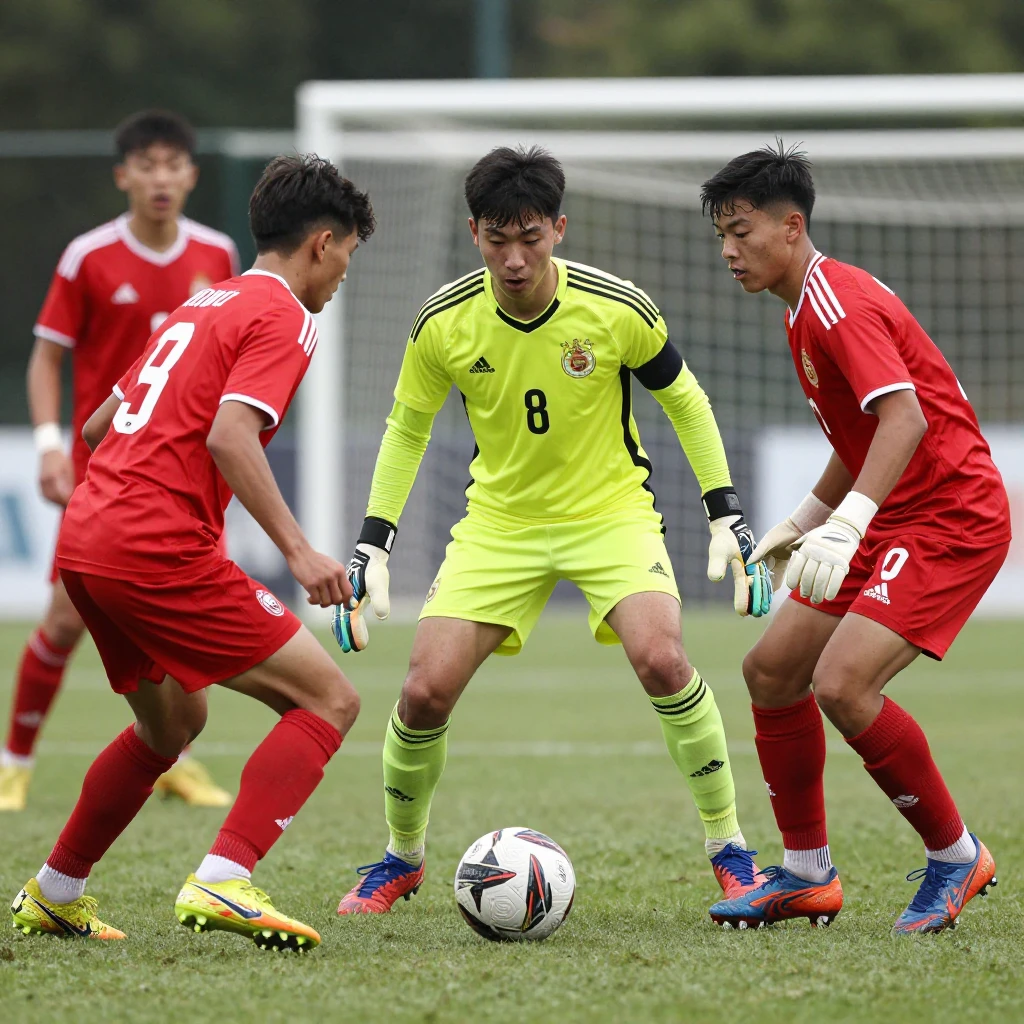
How to Follow Their Progress This Season
Follow young players through match coverage, official club updates, and performance trends across several appearances. Combining those sources gives a more balanced view than judging a prospect from highlights or social media clips alone.
- Check confirmed match coverage: Use your local broadcaster, league, or club’s official channels to find lawful match streams and broadcast listings. Streaming availability varies by country, competition, and rights holder, so no single service carries every match.
- Read team news before kickoff: Club announcements, manager press conferences, and official line-ups help explain whether a player is starting, on the bench, injured, or being rested.
- Watch the role, not only the result: Note a player’s position, minutes, and responsibilities. A substitute winger entering late in a match has a different task from a starter asked to build attacks.
- Compare several performances: Look for patterns in decision-making, off-ball movement, defensive work, and involvement in possession. Match reports and full-game coverage add context that short clips often omit.
Keep a simple viewing note: opponent, position, minutes played, one strength, and one area to develop. This turns casual match watching into a useful record of progress. It also helps separate a genuine change in role from a single strong or difficult performance.
Why These Prospects Are Worth Watching
These prospects are worth watching because each offers a different way to understand youth development: earning minutes, adapting to tactics, and repeating useful actions against senior opponents. Their futures remain open, but their current roles provide plenty to follow this season.
Yamal and Endrick show the different demands placed on young attackers. Zaïre-Emery and Mainoo illustrate how midfielders can influence a game through decisions and movement as well as direct output. Cubarsí, Hato, and Restes offer a closer look at the patience and responsibility required in defensive roles.
As you follow their club football, look for role growth rather than a dramatic leap in status. More starts, tougher assignments, or greater involvement in build-up may signal growing trust. Setbacks are part of the picture, too: rotation, limited minutes, and mistakes can all occur during development. A prospect’s progress is clearer across a season than in one headline performance.
The most rewarding way to follow emerging young talents is to watch with a question in mind: what job is this player being asked to do, and how well are they learning it? That perspective makes match streams and team news more informative, while leaving room for each player’s path to unfold on its own terms.