



Latest Transfer News: Rumors and Confirmed Deals – Today's Full Roundup
How to Read the Transfer Market Right Now
The summer transfer window is the most volatile period in club football — deals move from rumor to confirmed signing within hours, and just as quickly collapse entirely. Knowing how to read the market separates informed fans from those chasing clickbait.
Here's a simple framework to assess any transfer story you see:
- Confirmed / Official: The club has published an announcement, the player has signed a contract, or a medical has been completed and reported by the club's official channels.
- Advanced / Close: Personal terms have been agreed or a fee has been accepted between clubs. These deals are likely to happen but aren't done yet.
- Rumor / Link: A credible journalist or outlet has reported interest, but no formal contact or offer has been made public.
- Collapsed / Stalled: Talks have broken down, a release clause was not triggered in time, or one party walked away from negotiations.
The transfer window itself has two main phases each season — summer (typically June through September 1 in most major leagues) and winter (January). Each league operates on slightly different deadlines, which matters when tracking cross-league moves involving the Premier League, La Liga, Serie A, or Bundesliga simultaneously.
One thing worth keeping in mind: a "medical" is not the same as a signing. Players complete medicals before contracts are signed, so a failed medical can still kill a deal at the final stage. Always wait for the official club announcement before treating any move as done.
Confirmed Transfers: Deals That Are Officially Done
Confirmed signings are deals where clubs have made official announcements — contracts signed, medicals cleared, and players registered with their new league. These are the facts, not speculation.
Across the major leagues this window, several high-profile moves have crossed the finish line. In the Premier League, clubs have been particularly aggressive early, with top-six sides securing targets before rival bids could materialize. Serie A clubs have also moved quickly, leveraging favorable contract structures and the appeal of Italian football to land players who had stalled in negotiations elsewhere.
A few patterns stand out among this summer's confirmed deals:
- Clubs are paying premium fees to activate release clauses early, avoiding drawn-out negotiations with selling clubs.
- Several deals have included significant sell-on clauses, reflecting the growing sophistication of sporting directors in protecting long-term transfer value.
- Bundesliga clubs have confirmed multiple signings of players on free agent status — a strategy that keeps transfer fees low while landing proven talent.
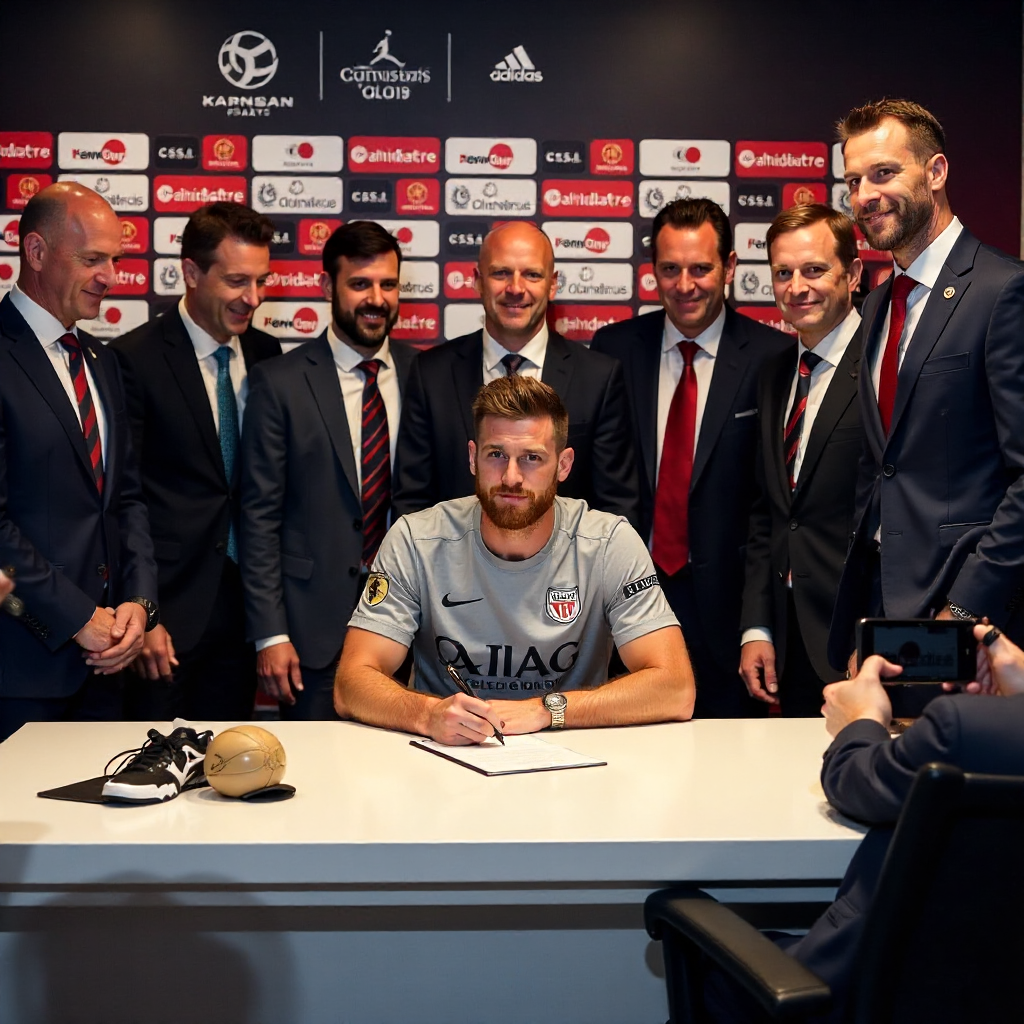
Check back here regularly — this section updates as official announcements drop from clubs across all major competitions.
Advanced Negotiations: Moves That Are Close to Happening
Advanced negotiations mean a deal is close but not yet official — typically, personal terms are being discussed or a transfer fee has been agreed between clubs. These are the moves most likely to become confirmed signings within days.
Right now, several moves are at this stage across the top leagues. In La Liga, at least two clubs are finalizing contracts with players whose current deals expire next summer — a smart window to buy before those players become free agents and command higher wages without a transfer fee attached.
The negotiation phase is where deals most often stall. Common friction points include:
- Agent fees that inflate the overall cost beyond what the buying club budgeted
- Disagreements over sell-on clauses or performance-based add-ons
- Wage structure mismatches, particularly when players move from high-paying leagues to lower-spending ones
- Work permit or registration complications for players moving between leagues with different eligibility rules
The role of the sporting director is critical at this stage. Modern clubs — especially in the Premier League and Bundesliga — rely heavily on their sporting directors to manage the technical and financial complexity of multi-party negotiations. When a sporting director is new to a club or recently changed, expect slower movement on deals as internal hierarchies settle.
Hot Rumors: Players Being Linked Right Now
Transfer rumors are unconfirmed links between players and clubs — credible ones come from journalists with established track records, not anonymous social media accounts. Treat them as possibilities, not certainties.
This window has produced a particularly active rumor cycle across all four major European leagues. A few themes dominate the speculation:
Big-club poaching of mid-table talent: Several players who had breakout seasons are being linked with moves to Champions League contenders. The logic is straightforward — clubs want proven performers at a fraction of the cost of established stars, and selling clubs often can't resist fees that represent significant profit on their original investment.
Loan-to-buy arrangements: A growing number of rumors involve structured loan deals with purchase options. This gives buying clubs a low-risk way to assess players before committing full transfer fees, and gives selling clubs leverage if the player performs well.
One pattern worth watching: when multiple credible outlets from different countries report the same link simultaneously, the probability of formal contact having occurred rises significantly. A single outlet running a story alone is far less reliable than convergent reporting from journalists embedded in both the buying and selling club's markets.
Deals That Have Fallen Through or Stalled
Collapsed transfers are as newsworthy as completed ones — they reshape club strategies, affect player morale, and often trigger alternative moves. A deal falling through is not the end of a story; it's usually the start of a new one.
This summer has already seen several high-profile negotiations break down. The most common reasons:
- A club refused to lower its asking price despite the player pushing for a move
- The buying club's transfer fee offer fell short of a player's release clause, and the selling club held firm
- Personal terms could not be agreed — the player wanted a longer contract than the buying club was willing to offer
- A medical revealed a condition that changed the buying club's assessment of the risk
When a deal stalls rather than collapses outright, it often means both parties are waiting for a triggering event — another club entering with a higher bid, a player's current club qualifying or failing to qualify for European competition, or simply the pressure of deadline day forcing a compromise.
For fans following specific clubs, a stalled deal is often more frustrating than a clean collapse. At least a collapsed deal closes the chapter. Stalled negotiations can drag on for weeks, consuming media attention and squad planning resources simultaneously.
Free Agents and Loan Moves to Watch
Free agents and loan deals represent the most underrated segment of the transfer market — players available without a transfer fee who can dramatically reshape a squad's quality and depth.
The free agent pool this summer is stronger than average. Several players whose contracts expired on June 30 are still without clubs as of early July, partly because their wage demands are high and partly because clubs are prioritizing other signings first. The longer these players remain unsigned, the more negotiating leverage shifts toward buying clubs.
Loan deals, meanwhile, are increasingly sophisticated. A decade ago, loans were primarily used to give young players experience. Now they serve multiple strategic purposes:
- Big clubs use loans to maintain control of players they can't yet fit into their first team
- Mid-table clubs use loans to access quality they couldn't otherwise afford
- Selling clubs use loan-back arrangements as part of transfer negotiations, keeping a player available while a permanent deal is structured
Keep an eye on Serie A and Bundesliga clubs in particular — both leagues have historically been aggressive in the loan market, and this summer looks no different. Several players currently linked with moves to the Premier League may end up on loan arrangements rather than permanent transfers if fee negotiations stall.

What to Expect Before the Transfer Deadline
Deadline day consistently produces the most dramatic transfer activity of the entire window — clubs that have spent months in negotiations suddenly accelerate, and deals that seemed dead come back to life under time pressure.
Based on current market activity, here's what the final days of this window are likely to bring:
- At least one major Premier League club will complete a marquee signing in the final 48 hours, as is tradition
- Several loan deals currently in discussion will be finalized as clubs settle for loan arrangements over failed permanent moves
- Free agents who have been holding out for better offers will sign shorter-term contracts as the window closes
- One or two deals currently described as "advanced" will collapse at the last minute — this happens every window without exception
The sporting directors and club hierarchies most active in the final days are typically those who entered the window with clear contingency plans. Clubs that have only one target for a position are the most vulnerable to deadline day chaos — if that deal falls through at the last minute, they're left scrambling.
Bookmark this page and check back daily as the window progresses. Transfer news moves fast, and the gap between "rumor" and "confirmed" can close in a matter of hours. If you want to watch the matches featuring newly signed players as soon as they debut, the Premier League's official site lists broadcast information for every fixture across all participating clubs.
Frequently Asked Questions
What is the difference between a confirmed transfer and a rumor?
A confirmed transfer means the club has made an official announcement and the player has signed a contract. A rumor is a reported link between a player and a club that has not been verified by either party through official channels.
When does the current transfer window close?
The summer transfer window typically closes on September 1 in most major European leagues, though exact dates vary by country and competition. The Premier League, La Liga, Serie A, and Bundesliga each publish their official deadline dates at the start of each season.
How do clubs officially announce a completed signing?
Clubs announce signings through their official website, verified social media accounts, and press releases. Many clubs also notify their league governing body to complete player registration before the transfer is considered fully official for competitive purposes.
What happens if a transfer deal falls through at the last minute?
If a deal collapses after a medical but before a contract is signed, the player returns to their current club. If it collapses after signing but before registration, the league governing body may need to intervene. In most cases, the player simply remains at their existing club and the transfer fee is not paid.
Where can I watch matches featuring newly signed players?
Broadcast rights vary by country and competition. Check your local broadcaster's schedule or the official league website for fixture and streaming information. Many platforms now offer match highlights and live streams for all major leagues, including the Premier League, La Liga, Serie A, and Bundesliga.